


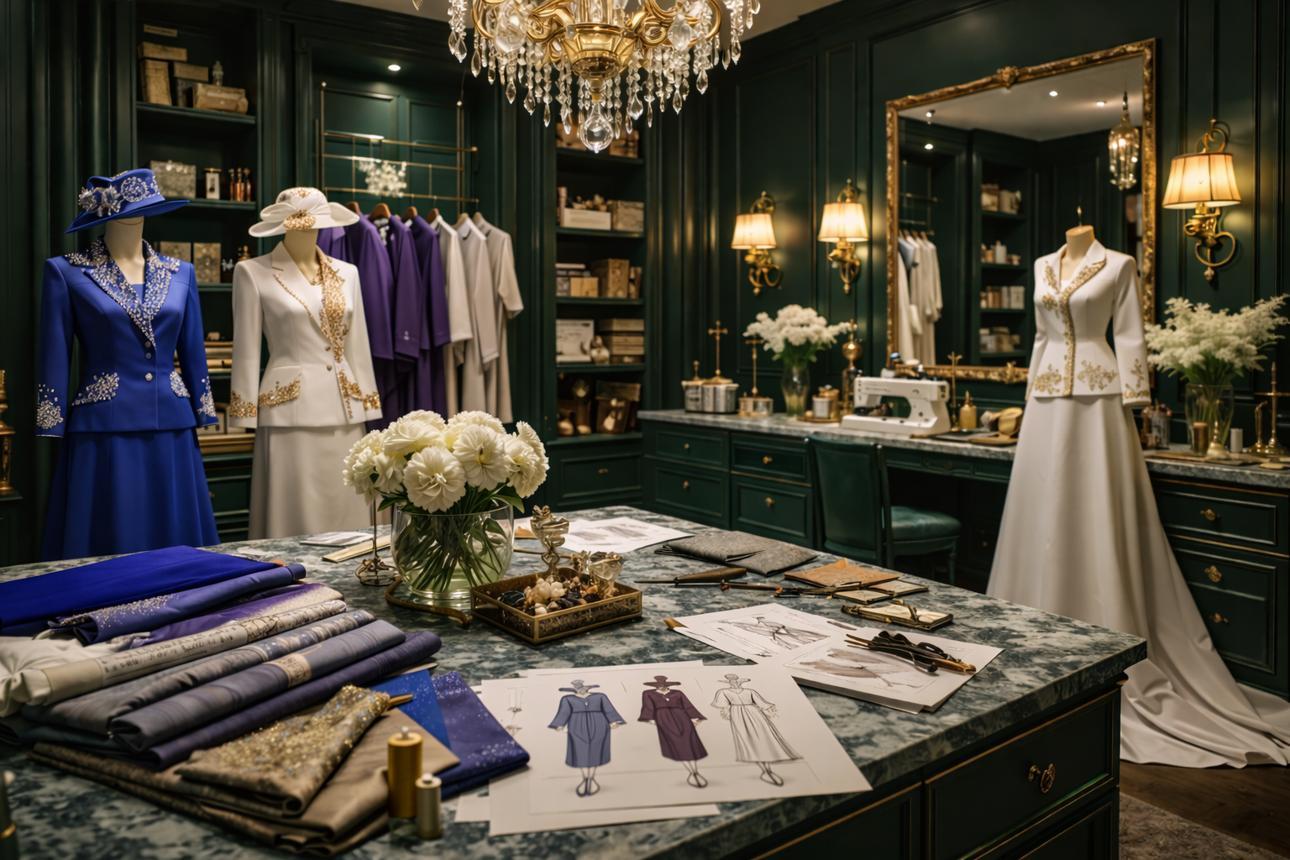
The Europe Luxury Apparel Market is experiencing steady growth, driven by the region's unparalleled heritage in fashion, artisanal craftsmanship, and the increasing affluence of global tourist consumers in fashion capitals. As per Market Research Future analysis, the Europe luxury apparel market was valued at USD 23.72 billion in 2024 and is projected to reach USD 32.39 billion by 2033, exhibiting a compound annual growth rate (CAGR) of 3.52% during the forecast period . Europe remains the global epicentre of luxury fashion, with Paris, Milan, London, and Florence hosting the industry's most influential design ateliers and trade events . The deep integration of cultural identity, artisanal legacy, and regulatory protection underpins Europe's enduring leadership in defining global luxury aesthetics and standards.
The market is witnessing a dynamic shift towards the integration of digital innovation with heritage craft, reshaping how luxury apparel is designed, produced, and marketed. The adoption of heritage fashion design integration is becoming a key differentiator, as European maisons increasingly employ 3D design and virtual sampling to reduce fabric waste and accelerate prototyping, enabling iterative craftsmanship without compromising hand finishing . According to the European Commission's Creative Europe program, funding continues to support cultural and creative sector digitisation, including projects that enhance provenance tracking and digital skills in ateliers . This fusion enables limited-edition drops with verifiable origins and reduces time to market, positioning Europe to lead next-generation luxury that is traceable, experiential, and sustainable.
The market is also benefiting from the expansion of sustainable luxury fashion, tech-integrated apparel, and gender-neutral collections that are shaping the future of luxury apparel . Rising lifestyle changes, the strong influence of social media, and the desire for status symbols among millennials and Gen Z consumers are major drivers . Continuous innovation in fabrics, eco-friendly practices, and digital engagement strategies are key to maintaining growth across traditional and emerging markets. The growing demand for pre-owned and resale luxury platforms offers another promising avenue for market expansion, driven by sustainability awareness and affordability for younger consumers . Key players such as LVMH, Kering, Burberry, and Prada are investing in sustainable practices, digital transformation, and exclusive in-store experiences to capture the growing demand for luxury apparel across diverse European markets.
FAQ 1: What are the key drivers of the Europe Luxury Apparel Market?
Key drivers include Europe's rich cultural heritage and artisanal craftsmanship, rising affluence of global tourist consumers in fashion capitals, integration of digital innovation with heritage craft, and growing demand for sustainable and gender-neutral luxury fashion collections .
FAQ 2: Which country is the fastest-growing market for luxury apparel in Europe?
The United Kingdom is forecasted to be the fastest-expanding market in Europe, projected to reach USD 5.65 Billion by 2033, driven by a strong retail infrastructure, increasing consumer interest in sustainable luxury, and the influence of global fashion trends .

 English