


Cotton and Synthetic Fabrics Lead Intimate Wear Material Segments
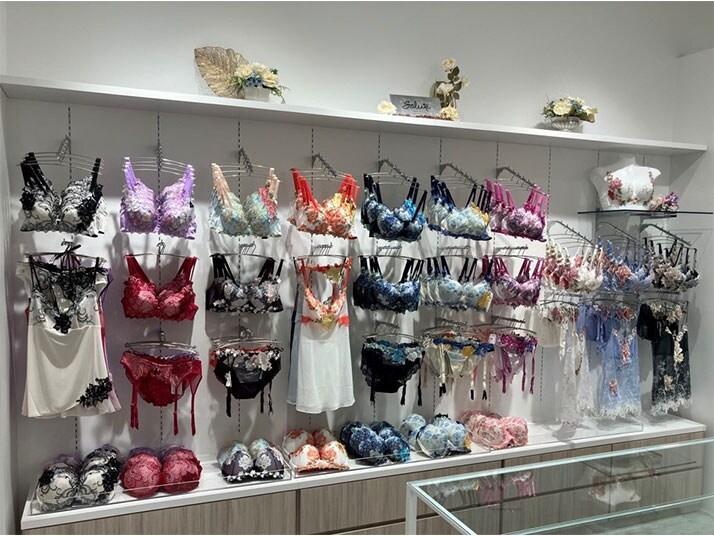
Cotton and synthetic fabrics represent the largest and most significant material segments in the intimate wear market, reflecting consumer preferences for comfort, durability, and performance. As per Market Research Future, the Intimate Wear Market is experiencing significant growth driven by these essential material types. Cotton is the most widely used material in intimate wear, valued for its breathability, softness, and hypoallergenic properties. Synthetic fabrics, including polyester, nylon, and microfiber, are also widely used for their durability, stretch, and moisture-wicking properties .
The choice of material significantly impacts the comfort, durability, and performance of intimate wear. The Intimate Wear Industry is responding to this demand by developing innovative fabric blends that enhance comfort and functionality.
Market Dynamics
Cotton is the dominant material in the intimate wear market, valued for its breathability, softness, and hypoallergenic properties. Cotton is widely used in everyday intimate wear, including bras, panties, and sleepwear. Organic cotton is gaining traction among environmentally conscious consumers and supply chain traceability initiatives . Pima cotton targets premium softness and long-term wear .
Synthetic fabrics, including polyester, nylon, and microfiber, are widely used for their durability, stretch, and moisture-wicking properties. Microfiber and lace remain central to design differentiation and performance attributes, influencing construction techniques and care instructions . Synthetic fabrics are particularly popular in shapewear, sports bras, and performance intimate wear.
Lace and silk represent premium material segments in the intimate wear market. Lace is valued for its aesthetic appeal and is often used in luxury and fashion-forward intimate wear. Silk offers a luxurious feel and is used in premium sleepwear and lingerie. The expanding Intimate Wear Market is benefiting from innovations in sustainable materials, with brands increasingly using recycled fabrics and eco-friendly materials .
Regional Outlook
North America leads the market for both cotton and synthetic intimate wear, with the U.S. being the largest consumer. The region's high consumer awareness and demand for comfort and performance support sustained demand. Europe is also a significant market, with the UK, France, and Germany driving adoption of premium and sustainable materials. Asia-Pacific is witnessing rapid growth in both segments, driven by rising disposable incomes and changing consumer preferences.
Competitive Landscape
Key players in the intimate wear material segments include Hanesbrands Inc., PVH Corp., Triumph International, Jockey International, Inc., and MAS Holdings . These companies compete through continuous product innovation, quality manufacturing, and strategic partnerships with material suppliers.
Conclusion
Cotton and synthetic fabrics continue to lead the intimate wear material segments, reflecting consumer preferences for comfort, durability, and performance. As sustainability and innovation continue to shape the market, the demand for innovative materials across all segments is expected to grow, creating opportunities for brands and suppliers.
FAQs
1. Why is cotton the dominant material in the intimate wear market?
Cotton is the dominant material due to its breathability, softness, and hypoallergenic properties. It is widely used in everyday intimate wear, including bras, panties, and sleepwear. Organic cotton is gaining traction among environmentally conscious consumers .
2. What are the advantages of synthetic fabrics in intimate wear?
Synthetic fabrics, including polyester, nylon, and microfiber, offer durability, stretch, and moisture-wicking properties. They are particularly popular in shapewear, sports bras, and performance intimate wear. Microfiber and lace also contribute to design differentiation .
- Economía
- Arte
- Comunidad
- Artesanía
- Baile
- Bebidas
- Película
- Aptitud Física
- Alimentos
- Juegos
- Jardinería
- Salud
- Hogar
- Literatura
- Música
- Redes
- Coleccionistas
- Fiesta
- Religión
- Compras
- Deportes
- Teatro
- Bienestar
- Comercio
- Medicina & Salud
- Astronomía
- Medio Ambiente
- Ciencia
- Naturaleza
- Belleza
- Tecnología
- Automóviles
- Historia
- Política
- Otro

 Spanish